

- Home Page
- Stomach Cancer Surgery
Stomach Cancer Surgery

“There are more people who have survived cancer than those who have died from it.”
William J. Mayo (1861–1939)
General Information
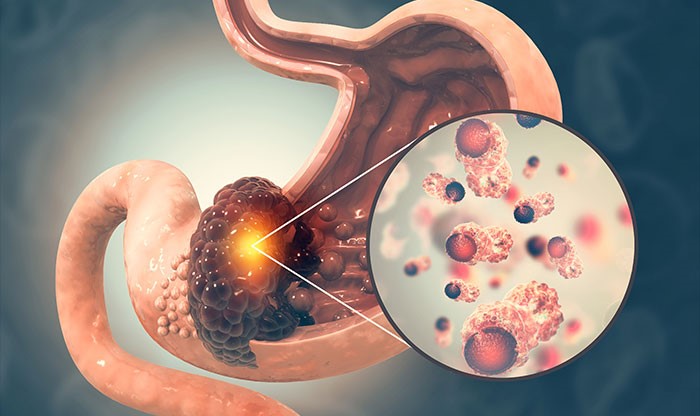
Stomach cancer is the abnormal growth of cells in the stomach. The stomach is a muscular sac located in the upper middle part of your abdomen, just below your ribs. Your stomach takes in the food you eat, holds it, and helps break it down and digest it with acid and churning.
Stomach cancer, also known as gastric cancer, can affect any part of the stomach.
The stomach has three sections, but similar to the pancreas, the surgery can be roughly divided into two based on the first part and the middle-later part. (Please refer to the image on the side.)
The location of the cancer in the stomach is a factor that the surgeon considers when determining your treatment options. Treatment typically involves a GASTRECTOMY surgery to remove the stomach cancer. Other treatments may be recommended before and after surgery.
When Should I Be Concerned?
See a doctor if you experience the following:
- Difficulty swallowing
- Feeling of bloating after eating
- Feeling full after eating small amounts
- Painful burning sensation in the chest
- Indigestion
- Nausea
- Abdominal pain
- Unintended weight loss
- Vomiting
What are the causes?
The exact cause of stomach cancer is not clear, but research has identified many factors that may increase the risk. It begins when a cell in the stomach develops changes in its DNA. The DNA of a cell contains instructions that tell the cell what to do. The changes tell the cell to grow rapidly and continue living while healthy cells die. The accumulating cells form a tumor that can invade and destroy healthy tissue. Over time, the cells can break away and spread to other parts of the body (metastasize).
How can I prevent it?
You can take the following steps to reduce the risk of stomach cancer:
- Don’t gain weight; maintain a healthy weight. If you are overweight or obese, talk to your doctor about strategies to help you lose weight.
- Adopt a diet that is primarily based on fruits and vegetables.
- Reduce the amount of salty and smoked foods you consume.
- Quit smoking. If you smoke, stop.
- Ask your doctor about your risk of stomach cancer. If your risk is high, discuss with your doctor. Individuals with a strong family history of stomach cancer may consider tests such as endoscopy to look for symptoms of stomach cancer.
“Leaving the smallest piece of cancer is equivalent to leaving the whole.”
John Hunter (1728–1793)
Procedures for Diagnosist
Procedure to Visualize the Inside of Your Stomach (Endoscopy, Gastroscopy)
A thin tube is inserted into your stomach under light sedation (painless, without feeling anything), and with the help of a camera at the end, the entire esophagus, stomach, and duodenum can be seen. If necessary, the surgeon may take a tissue sample if there is suspicion, which is the size of a pinhead.
Removal of a Tissue Sample for Testing (Biopsy)
If any suspicious area is found during gastroscopy, special tools may be used to remove a tissue sample for testing. The sample is sent to a pathology laboratory for analysis, and it takes some time for results. During this process, there will be no progression of your tumor.
Imaging Tests
Imaging tests used to search for stomach cancer include computed tomography (CT) scans and, if necessary, MRI scans.
Determining the Stage of Stomach Cancer
The stage of your stomach cancer helps your surgeon decide which treatments are best for you.
Blood Tests: Blood tests done to measure organ function can show whether other organs in your body, like your liver, are affected by cancer.
Endoscopic Ultrasound: An ultrasound device is available at the end of the endoscope and shows the depth of your tumor. This is not an essential examination.
Imaging Tests: May include CT, MRI, and positron emission tomography (PET).
Laparoscopy: A camera inserted through your abdomen is used to check the extent of your tumor. This is often done at the beginning when the decision for surgery is made, to avoid a larger incision if necessary.
Your surgeon will determine the stage of your cancer from 1 to 4, which, while having high accuracy in preoperative tests, may show different stage results during or after surgery in pathology.
If You Have Stomach Cancer, Please Ask Your Doctor These Questions:
- What type of stomach cancer do I have?
- How advanced is my stomach cancer?
- What other tests do I need?
- What are my treatment options?
- How successful are the treatments?
- What are the benefits and risks of each option?
- Is there an option that you think is best for me?
- How will the treatment affect my life? Can I continue to work?
- Should I seek a second opinion? Do you have a special interest in this condition?