

Colonoscopy

General Information
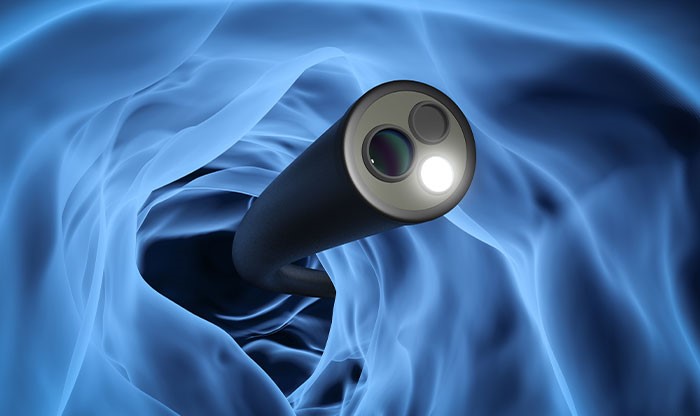
Colonoscopy is an examination used to detect changes or abnormalities in the large intestine (colon) and rectum. During a colonoscopy, a long, flexible tube (colonoscope) is inserted into the rectum. A small video camera at the tip of the tube allows the doctor to see the entire interior of the colon. If necessary, polyps or other types of abnormal tissue can be removed through the scope during the colonoscopy. Tissue samples (biopsies) can also be taken during the colonoscopy.
Why is this test requested?
To investigate intestinal signs and symptoms: A colonoscopy can help your doctor identify potential causes of abdominal pain, rectal bleeding, chronic constipation, chronic diarrhea, and other bowel issues.
For colon cancer screening: If you are 50 years old or older and are at average risk for colon cancer (meaning you have no other risk factors for colon cancer aside from age), your doctor may recommend a colonoscopy for colon cancer screening every 10 years or sometimes earlier. Colonoscopy is an option for colon cancer screening. Discuss your options with your doctor. Colonoscopy is also requested for overweight patients over 50 years old who will undergo obesity surgery.
To find other polyps: If you have had a polyp removed in the past, your doctor may recommend a follow-up colonoscopy to look for and possibly remove additional polyps. This is done to reduce your risk of colon cancer.
Are there risks involved?
- Adverse reaction to the sedative used during the examination, tension
- Bleeding from the area where a tissue sample (biopsy) was taken or where a polyp or other abnormal tissue was removed
- Tear (perforation) in the wall of the colon or rectum
How Should I Prepare?
Before a colonoscopy, you need to clean (empty) your colon. Any residue in your colon can obstruct the view of your colon and rectum during the exam.
To empty your colon, your doctor may ask you to:
Follow a special diet the day before the procedure: Typically, you cannot eat solid foods the day before. Drinks may be limited to clear liquids (plain water, tea and coffee without milk or cream, broth, and carbonated beverages). Avoid red liquids that can be mixed with blood during the colonoscopy. You should not eat or drink anything after midnight the night before the procedure.
Use a laxative: Your doctor may recommend that you take a liquid laxative. You may be asked to take this medication the night before your colonoscopy or to use it both the night before and the morning of the procedure.
Use an enema: In some cases, you may need to use an enema the night before and/or a few hours before to empty your colon. This is typically effective only for clearing the lower colon and is generally not recommended as the primary means to empty your colon; it is an additional method.
Adjust your medications: Discuss your medications with your doctor at least a week before the exam (especially if you have diabetes, high blood pressure, or heart problems, or if you are taking iron supplements). Also, inform your doctor if you are taking other blood-thinning medications, such as aspirin, warfarin (Coumadin, Jantoven), or clopidogrel (Plavix). You may need to adjust your dosages or temporarily stop taking these medications.
What Can I Expect?
Before the Procedure: You will only wear a gown during the colonoscopy. Sedation is usually recommended for a light sleep. Sometimes a mild sedative in pill form is given. In other cases, intravenous sedatives and pain relievers are administered to minimize any discomfort.
During the procedure, you will generally be lying on your side on the examination table with your knees pulled up to your chest. The doctor will insert a colonoscope into your rectum.
During the colonoscopy procedure: The scope is long enough to reach the entire length of your colon and contains a light and a tube (canal) that allows the doctor to pump air or carbon dioxide into your colon. The air or carbon dioxide inflates the colon, which helps improve the visibility of the colon walls.
You may feel abdominal cramps or the urge to have a bowel movement when the scope is moved or when air is introduced.
The colonoscope also contains a small video camera at its tip. The camera sends images to an external monitor so the doctor can examine the inside of your colon.
The doctor may also insert instruments through the canal to take tissue samples (biopsies) or remove polyps or other abnormal tissue areas.
A colonoscopy typically takes about 30 to 60 minutes.
After the Procedure: It takes about an hour to start recovering from the sedative. You will need someone to take you home because it may take a day for all effects of the sedative to wear off. Do not drive, make important decisions, or WORK for the rest of the day. While clearing the air from your colon, you may feel bloated or pass gas a few hours after the examination. Walking can help relieve any discomfort. You may also notice a small amount of blood in your first bowel movement after the examination. This is usually not a cause for alarm. If you continue to pass blood or blood clots, or if you have persistent abdominal pain or fever, consult your doctor.