

Gallbladder and Bile Duct Surgery

Cholecystectomy is the surgical removal of the gallbladder.
“Young surgeons are mistaken in believing that knowledge can compensate for a lack of experience; older surgeons are mistaken in believing that experience can compensate for a lack of knowledge.”
Mark M. Ravitch (1910–1989)
General Knowledge
Cholecystectomy is a surgical procedure to remove your gallbladder, a pear-shaped organ located just below your liver on the right upper side of your abdomen. Your gallbladder collects and stores bile, a digestive fluid produced in your liver. Cholecystectomy is a common surgery and carries only a small risk of complications. In most cases, you can go home the same day or the day after your cholecystectomy. A cholecystectomy is performed by inserting a small video camera and special surgical instruments through four small incisions in your abdomen to view the inside of your abdomen and remove the gallbladder. We call this laparoscopic cholecystectomy and it is referred to as minimally invasive surgery. In some cases, a large incision can be used to remove the gallbladder. This is called an open cholecystectomy.
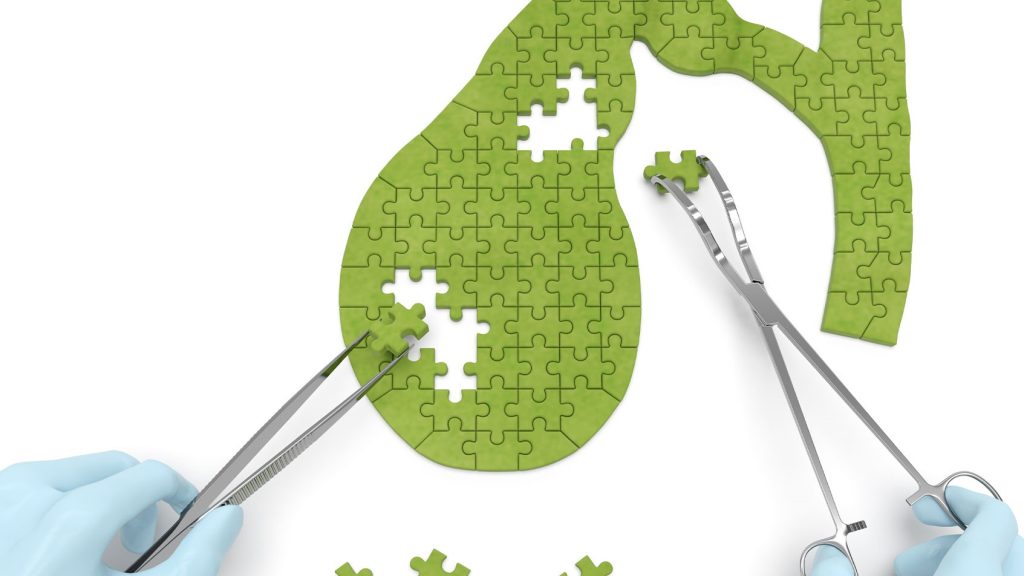
All gallbladder surgeries (except for cancerous cases) are planned to be performed minimally invasively. However, there is no guarantee that the surgery will be completed laparoscopically. If the surgeon feels that the patient’s safety is at risk or if complications arise during the surgery, an open procedure may be necessary.
Why is the Gallbladder Removed?
In summary, if it causes problems, it needs to be removed. In other words, if it has caused us trouble, its removal is essential. HOWEVER, IN THE CASE OF GALLSTONES THAT REMAIN SILENT, ACCIDENTALLY DISCOVERED, AND DO NOT CAUSE ANY SYMPTOMS, WE DO NOT PERFORM CHOLECYSTECTOMY SURGERY EXCEPT IN CERTAIN CIRCUMSTANCES.
Gallstones in the gallbladder (cholelithiasis)
Gallstones in the bile duct (choledocholithiasis)
Gallbladder inflammation (cholecystitis)
Large gallbladder polyps
Pancreatitis due to gallstones
Obesity, being overweight, and obesity surgeries are risk factors for gallstones, and you may develop gallstones afterward. Cholecystectomy will be recommended.
"The most important person in the operating room is the patient." Russell John Howard (1875–1942)
What Are the Risks of Surgery?
No surgery is without risks; there are only surgeries with low complication rates. There has been no surgery defined where nothing could go wrong. There are only very low risks that can be overlooked, but you still need to be informed about them.
There may be bile leakage, which could occur due to the opening after the bile duct is tied off, or it could be due to certain situations where your surgeon decides not to close it but to monitor it with a drain. Your surgeon will provide you with information about this after the surgery.
Bleeding
Infection, especially seen in gallbladders with recurrent attacks that have been admitted to emergency services frequently.
Injury to nearby structures such as the bile duct, liver, and small intestine. These are the most undesirable injuries, and they can put both the surgeon and the patient through a long and difficult process. Often, they are not the result of a physician’s error but are rather complications.
General anesthesia risks, such as blood clots and pneumonia.
Your risk of complications depends on your overall health and the reason for your cholecystectomy.
What to Expect During Your Surgery Process?
Before Surgery
Cholecystectomy is performed under general anesthesia, so you will not be aware of the procedure. The anesthesia medications are administered through an intravenous line in your arm. Once the medications take effect, your healthcare team will place a tube in your throat to assist you in breathing. Your surgeon will then perform the cholecystectomy using either a laparoscopic or an open procedure.During Surgery
Depending on your condition, your surgeon will recommend one of two surgical approaches:Closed Method
During laparoscopic cholecystectomy, the surgeon makes four small incisions in your abdomen. A small tube with a video camera is inserted through one of the incisions into your abdomen. Your surgeon uses surgical instruments inserted through the other incisions to remove your gallbladder while monitoring your surgery on a video monitor in the operating room. The surgery is performed by looking at this monitor.
Laparoscopic cholecystectomy is not suitable for everyone. In some cases, your surgeon may start with a laparoscopic approach but may decide a larger incision is necessary due to previous surgeries or complications.Traditional (Open) Cholecystectomy
During open cholecystectomy, the surgeon makes an approximately 15-centimeter incision in your abdomen under your ribs on the right side. The muscles and tissues are pulled back to expose your liver and gallbladder. Your surgeon then removes the gallbladder.
After Surgery
As the effects of the anesthesia wear off, you will be taken to a recovery area. You will then be moved to a hospital room to continue your recovery. Recovery varies based on your procedure:- Laparoscopic Cholecystectomy: Although you may need to stay in the hospital for one night, people generally can go home on the same day as their surgery. In general, you can expect to go home when you can eat and drink without pain and walk unassisted. Full recovery takes about a week.
- Open Cholecystectomy: Expect to spend two or three days in the hospital recovering. Once at home, full recovery may take four to six weeks.
Results:
Most people do not experience digestive problems after a cholecystectomy. Your gallbladder is not essential for healthy digestion. Some people may occasionally have soft stools that usually resolve over time. Discuss any changes in your bowel habits or new symptoms with your doctor after the surgery.
How quickly you can return to normal activities after a cholecystectomy depends on the method your surgeon used and your overall health. Individuals who undergo laparoscopic cholecystectomy may be able to return to work within a few days. Those who have open cholecystectomy may need a week or more to recover enough to return to work.